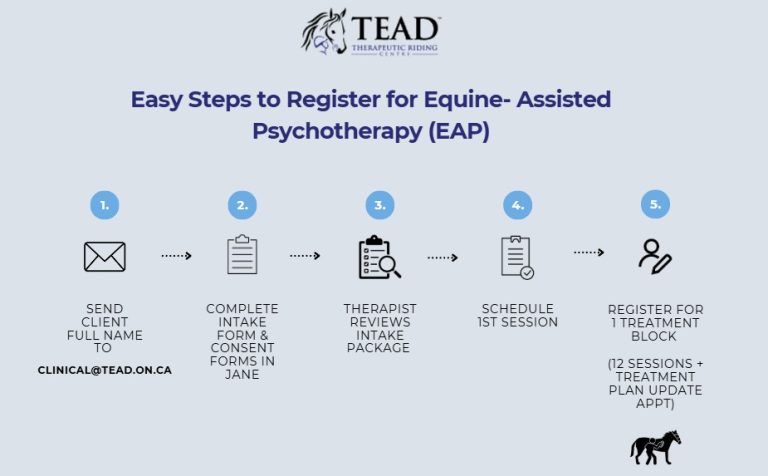
Equine-Assisted Psychotherapy (EAP) is an unmounted therapeutic modality that incorporates interactions with horses to promote emotional growth and healing and is facilitated by a mental health professional. The herd-based mentality and prey-animal behavior that horses exhibit creates a unique, reflective environment that exceptionally supports healing, personal development, building resiliency, and regulating stress.
Who Can Benefit?
EAP is suitable for individuals of all ages, including children, adolescents, and adults. It is particularly beneficial for those experiencing:
- Anxiety
- Depression
- Post-Traumatic Stress Disorder (PTSD)
- Behavioral issues
- Relationship difficulties
- Low self-esteem
- Addiction
- Grief and loss
Therapeutic Goals
The primary goals of EAP include:
- Improving emotional regulation and self-awareness
- Enhancing communication and social skills
- Building trust and empathy
- Developing problem-solving abilities
- Increasing confidence and self-esteem
- Relationship-building
- Processing and overcoming trauma
Program Structure
- Initial Assessment: Participants undergo an initial assessment to identify their therapeutic needs and goals. This assessment helps tailor the EAP sessions to the individual’s specific requirements.
- Interactive Sessions: Each session involves structured activities with the horses, such as grooming, leading, and groundwork exercises. These activities are designed to reflect and address the participant’s emotional and behavioral patterns.
- Reflection and Processing: After interacting with the horses, participants engage in reflective discussions with the therapist. This phase allows for processing emotions and experiences, drawing parallels between their interactions with the horses and their personal lives.
- Goal Setting and Progress Evaluation: Regular goal setting and progress evaluations ensure that therapeutic objectives are being met. Adjustments to the treatment plan are made as necessary to optimize outcomes.
Therapeutic Approach
EAP leverages the intuitive nature of horses, which are highly sensitive to human emotions and non-verbal communication. Key therapeutic approaches used in EAP include:
- Experiential Learning: Participants learn through direct experience and reflection, fostering a deeper understanding of their emotional and behavioral responses.
- Metaphor and Symbolism: Interactions with horses often serve as metaphors for real-life situations, providing a safe space to explore and resolve conflicts.
- Non-Verbal Communication: Horses respond primarily to non-verbal cues, helping participants become more aware of their body language and emotional states.
Key Benefits
- Emotional Insight: Working with horses helps participants gain insight into their emotions and behaviors, promoting self-discovery, emotional regulation, confidence, and emotional healing.
- Immediate Feedback: Horses provide immediate, honest biofeedback based on the participant’s actions and emotional state, facilitating real-time learning and adjustment.
- Safe and Supportive Environment: The non-judgmental and accepting nature of horses creates a safe space for participants to express and process difficult emotions.